
Artist Statement
Hidden Perceptions
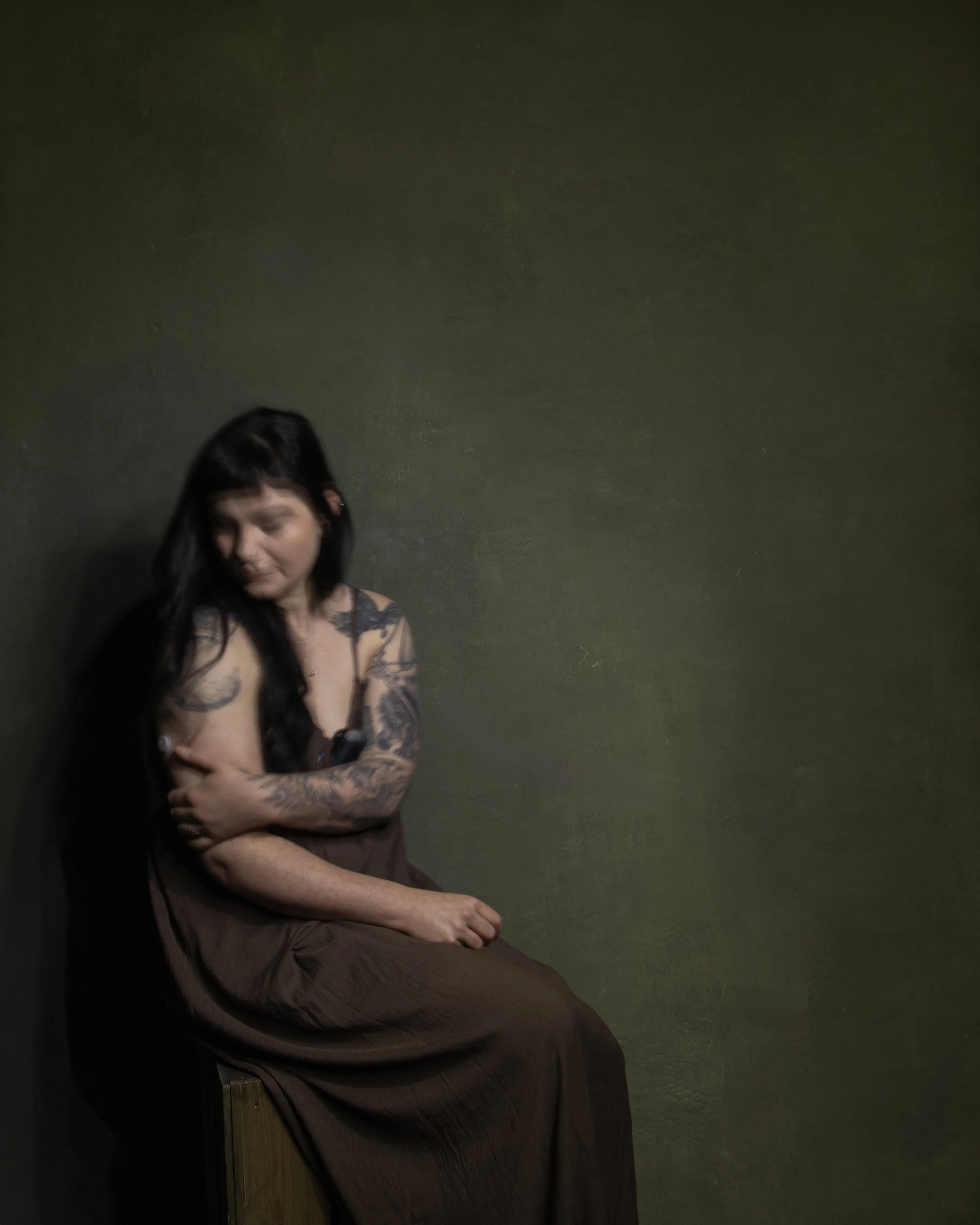
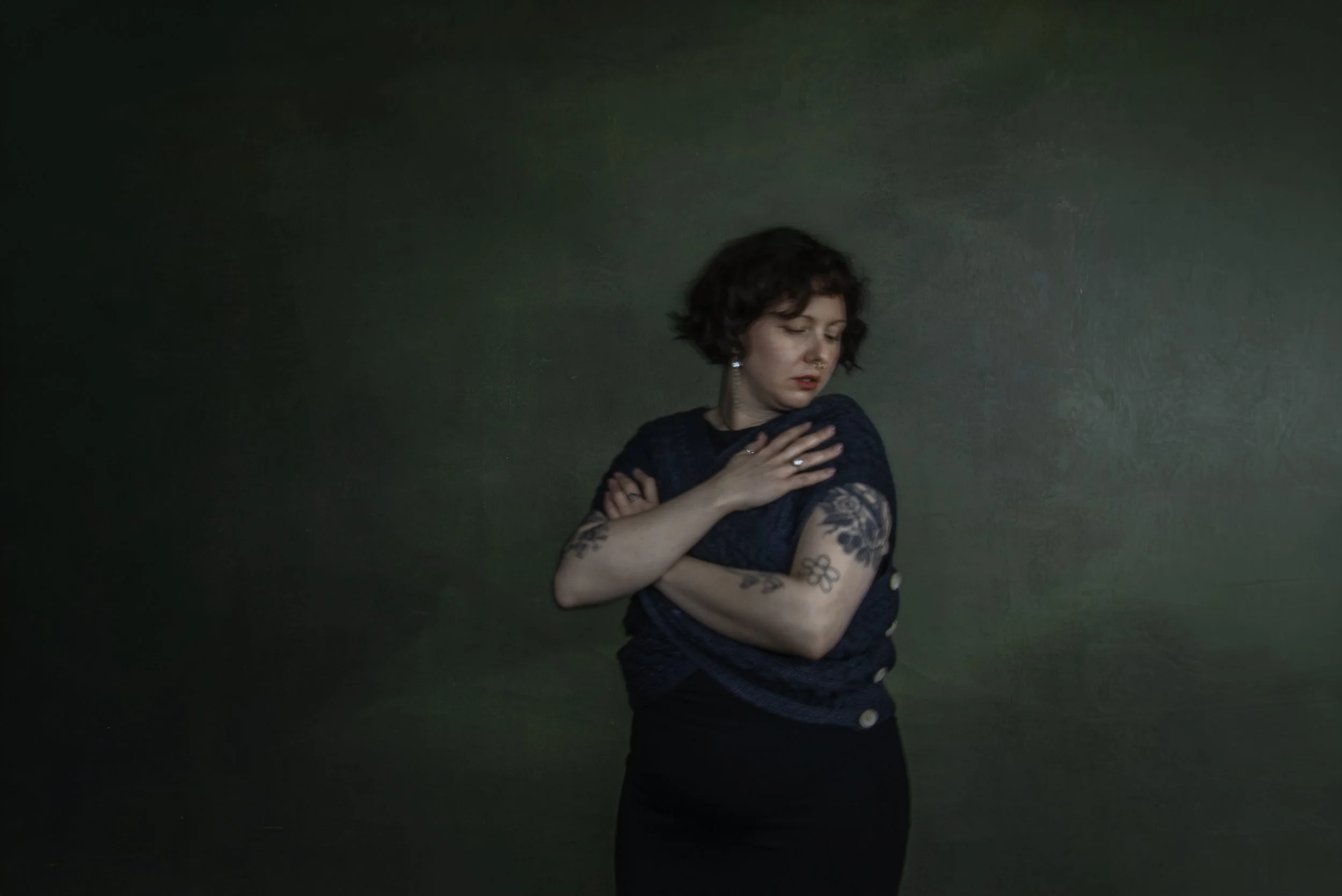
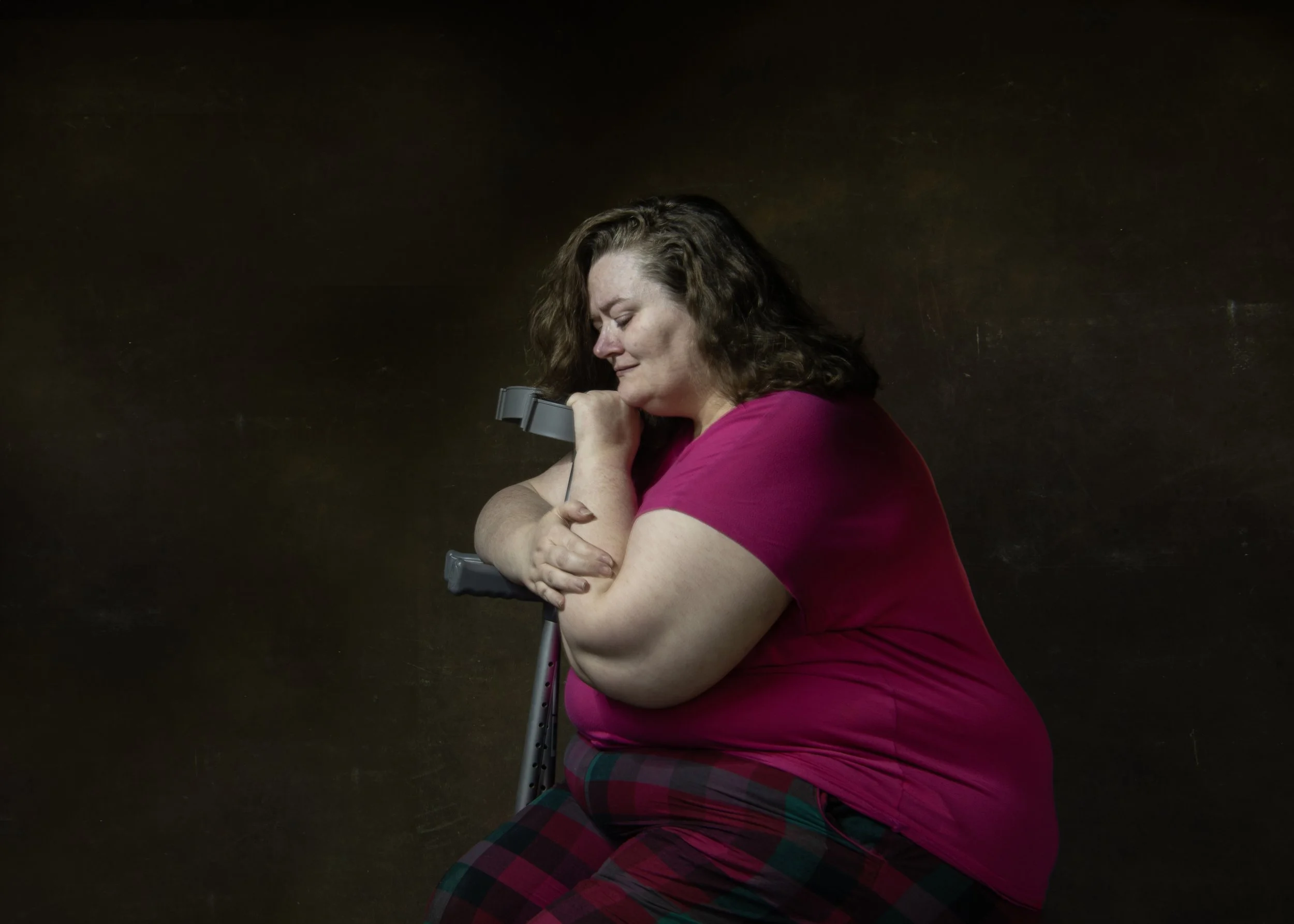
This body of work explores the quiet negotiations we make with ourselves—those internal conversations that shape how we inhabit our physical form. The project reflects on how our perception of self can both diminish our quality of life and restrict our ability to step fully into who we are. At the same time, it examines the conscious and unconscious tools we develop to manage the inner critic, revealing the resilience that allows us to move toward acceptance.
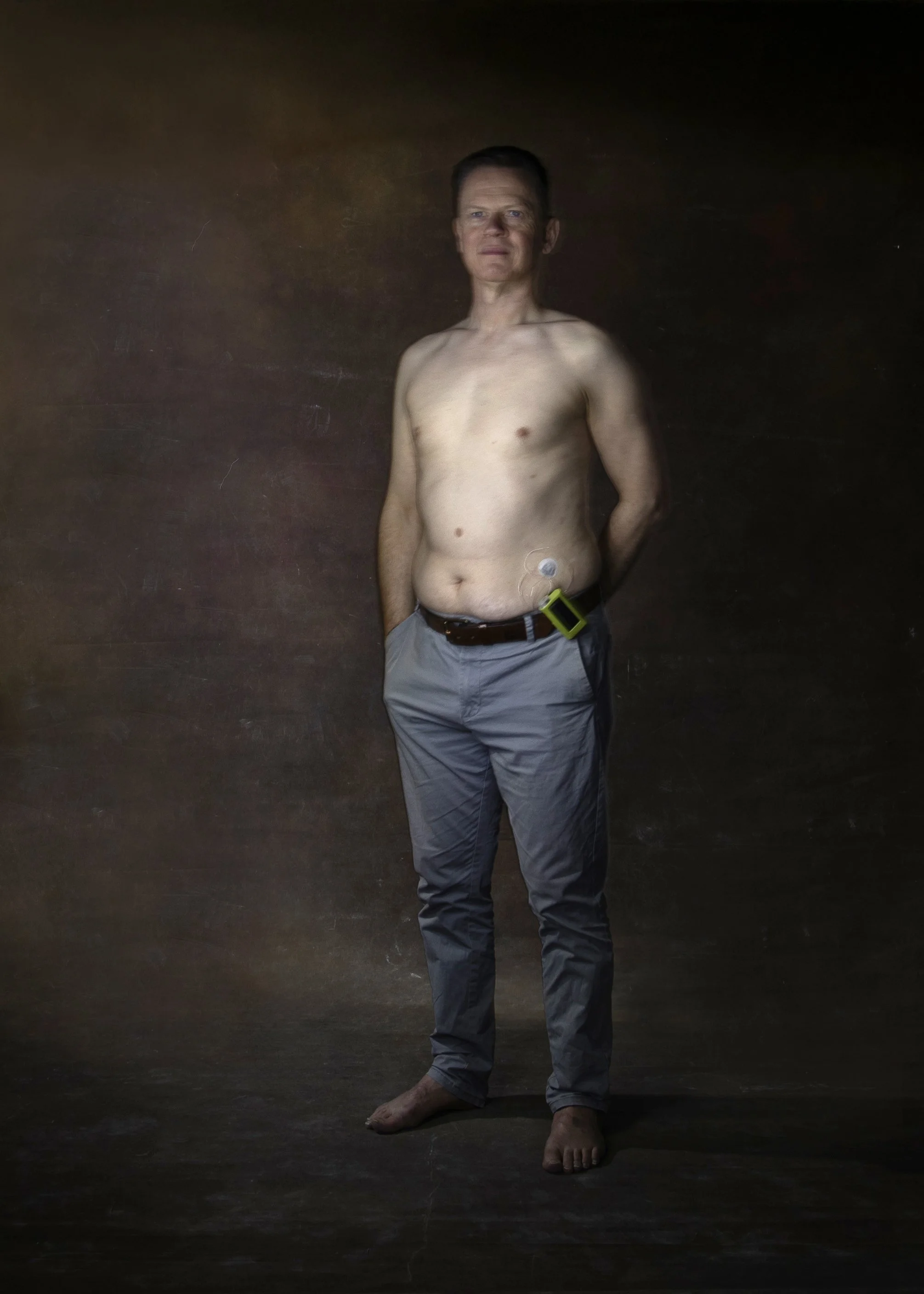
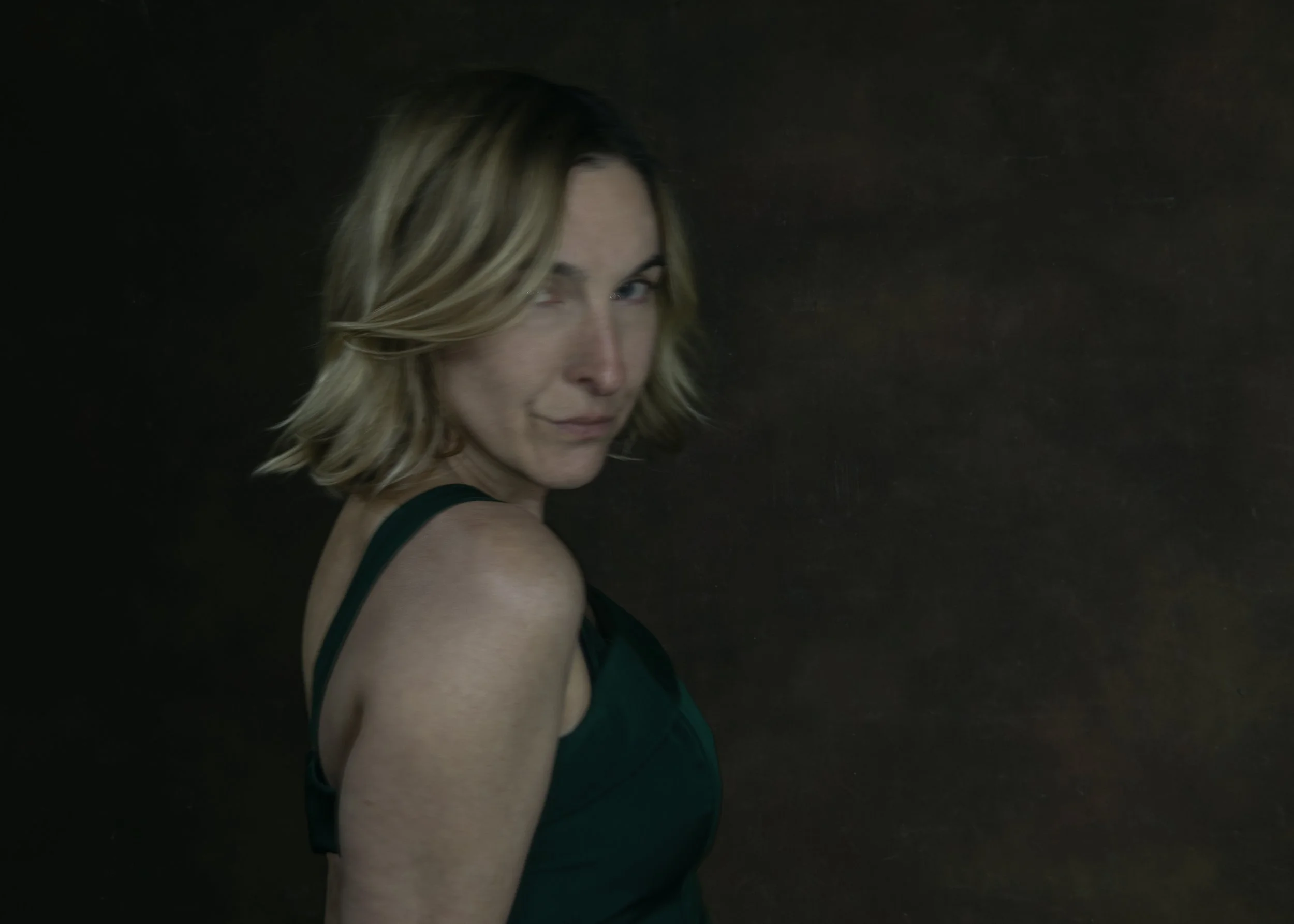
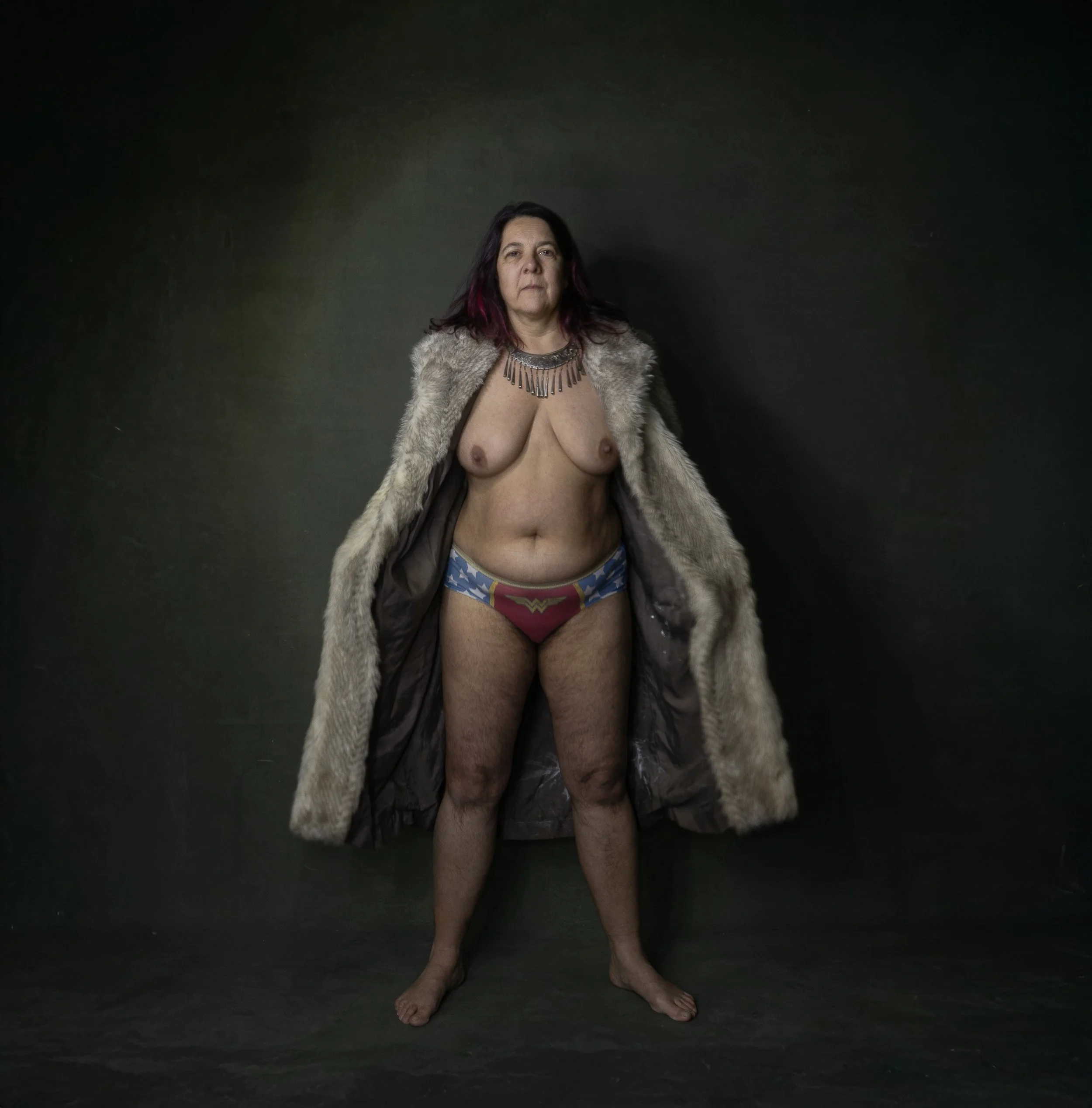
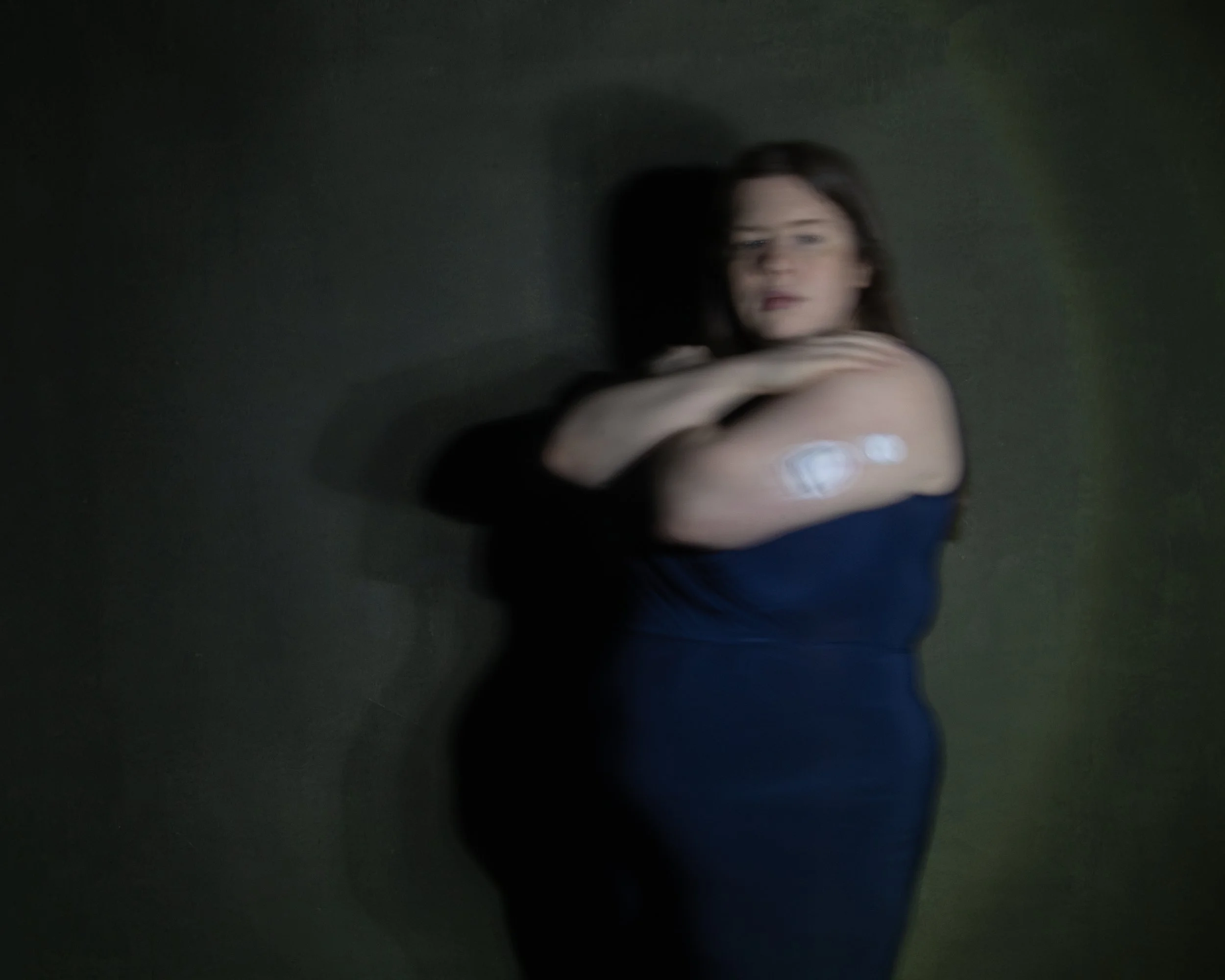
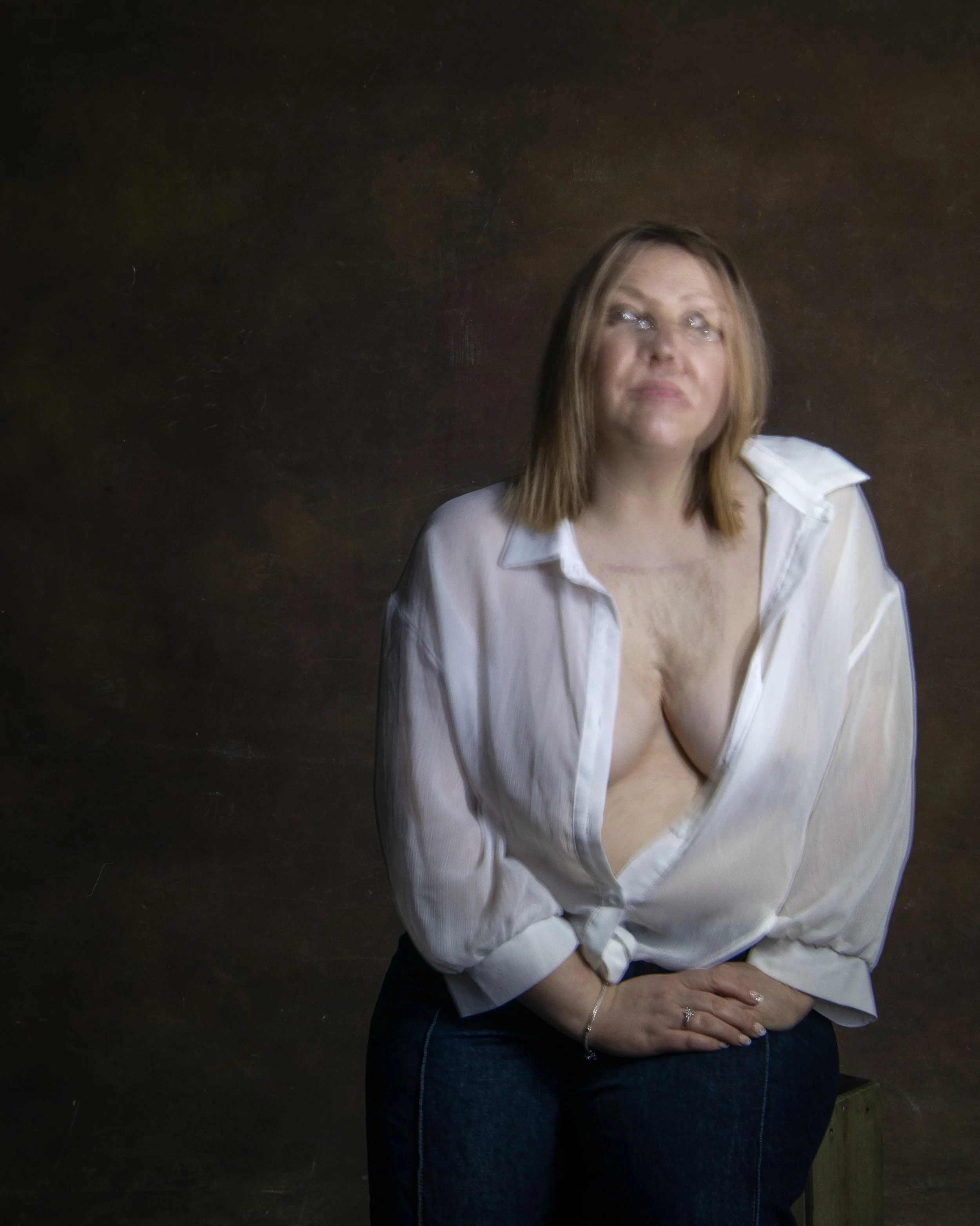
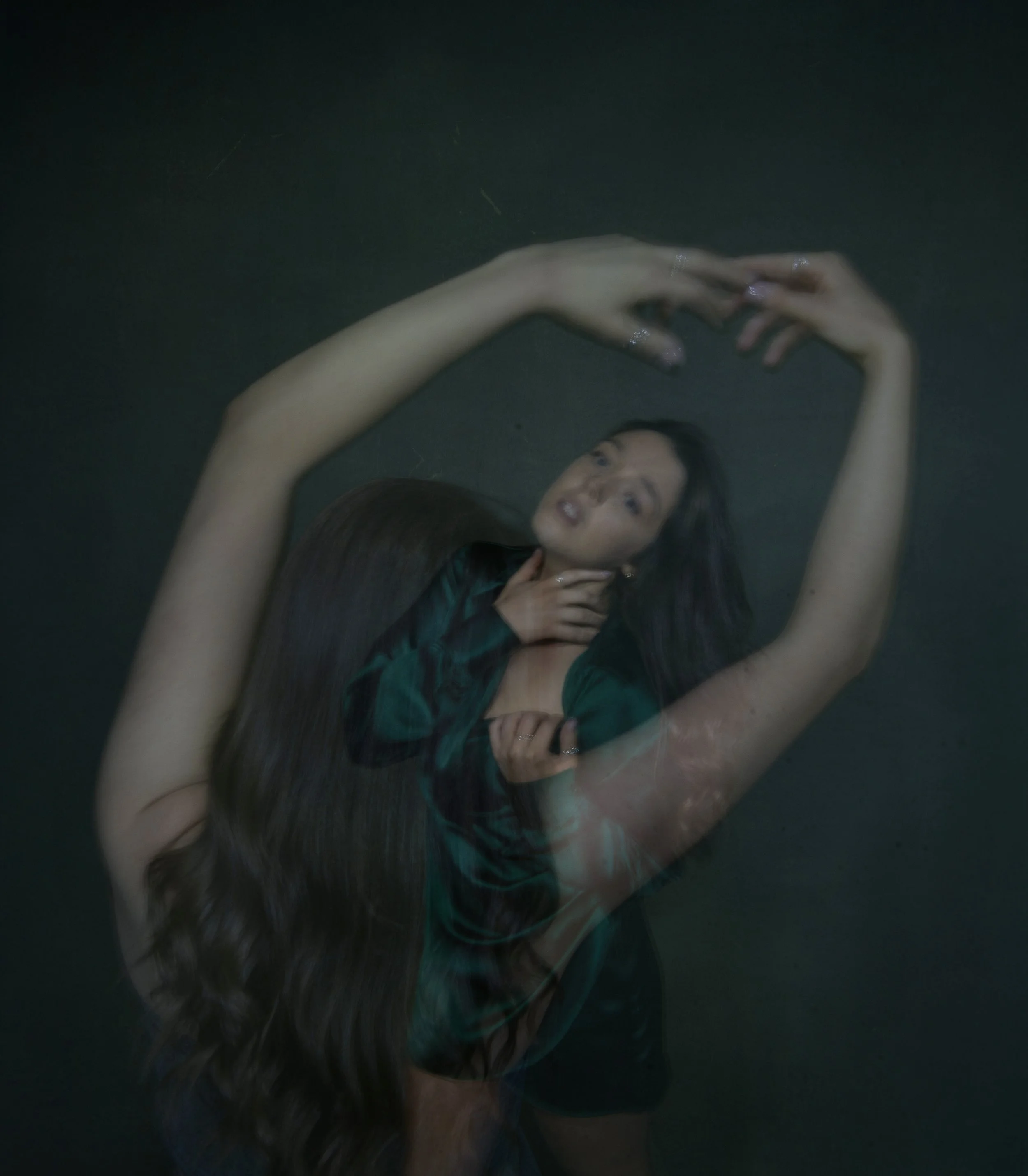
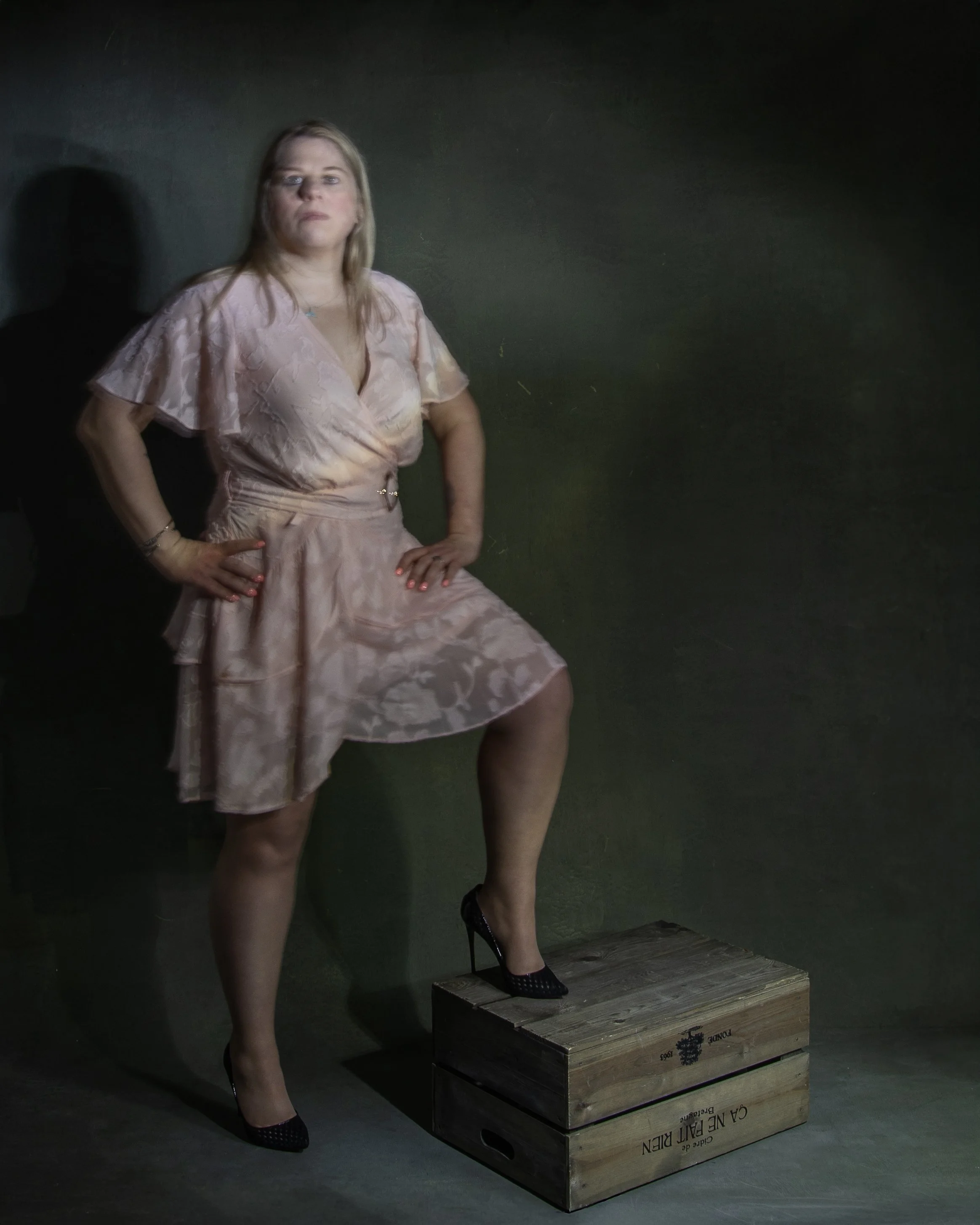
Each portrait is created using a light-painting technique, a process that ensures no frame can ever be repeated. Just as every human being is unique, flawed, and beautiful in their own unrepeatable way, each photograph emerges from a singular gesture of illumination. This method becomes a metaphor for the impossibility of perfect replication—of bodies, experiences, or self-perception.
The hand-painted backdrop, used throughout the series, holds its own marks and imperfections. Their beauty lies not in permanence but in vulnerability. Creased clothing, softened edges, and minimal retouching further reinforce the central idea: imperfection is not something to correct but something to celebrate.
I make deliberate in camera and post-production choices that leave me feeling uncomfortable and discombobulated and may unsettle the viewer as well. By resisting the usual pursuit of photographic perfection, I invite questions about why this lack of order feels wrong. The tension is intended to mirror our everyday discomfort with perceived imperfections in our own bodies.
Ultimately, Body Image invites viewers to reconsider the stories they tell themselves about their own physicality. What others perceive of us is shaped by their own histories and assumptions; it is not our burden to carry. The work encourages a gentler gaze—one that recognises the quiet truth that we are far less flawed, and far more extraordinary, than we imagine.
The stories are printed on Awagami paper which are sustainable, do not use harsh chemicals and have deckled edges to reinforce the theme of the project that imperfection is beautiful.
Rebecca
Scott
Claire
sophia
Rebecca
Laura M
Lauren
Sam
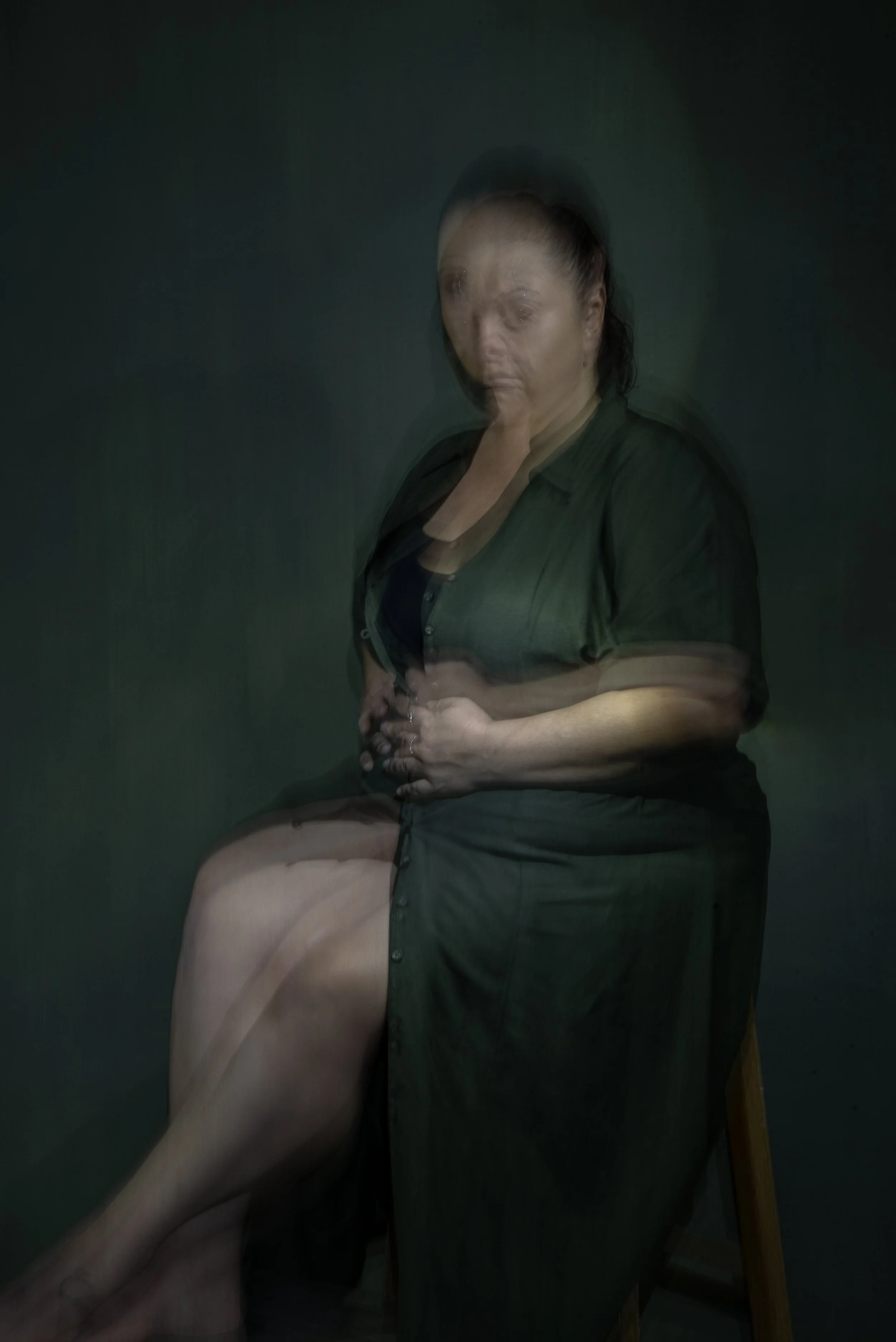
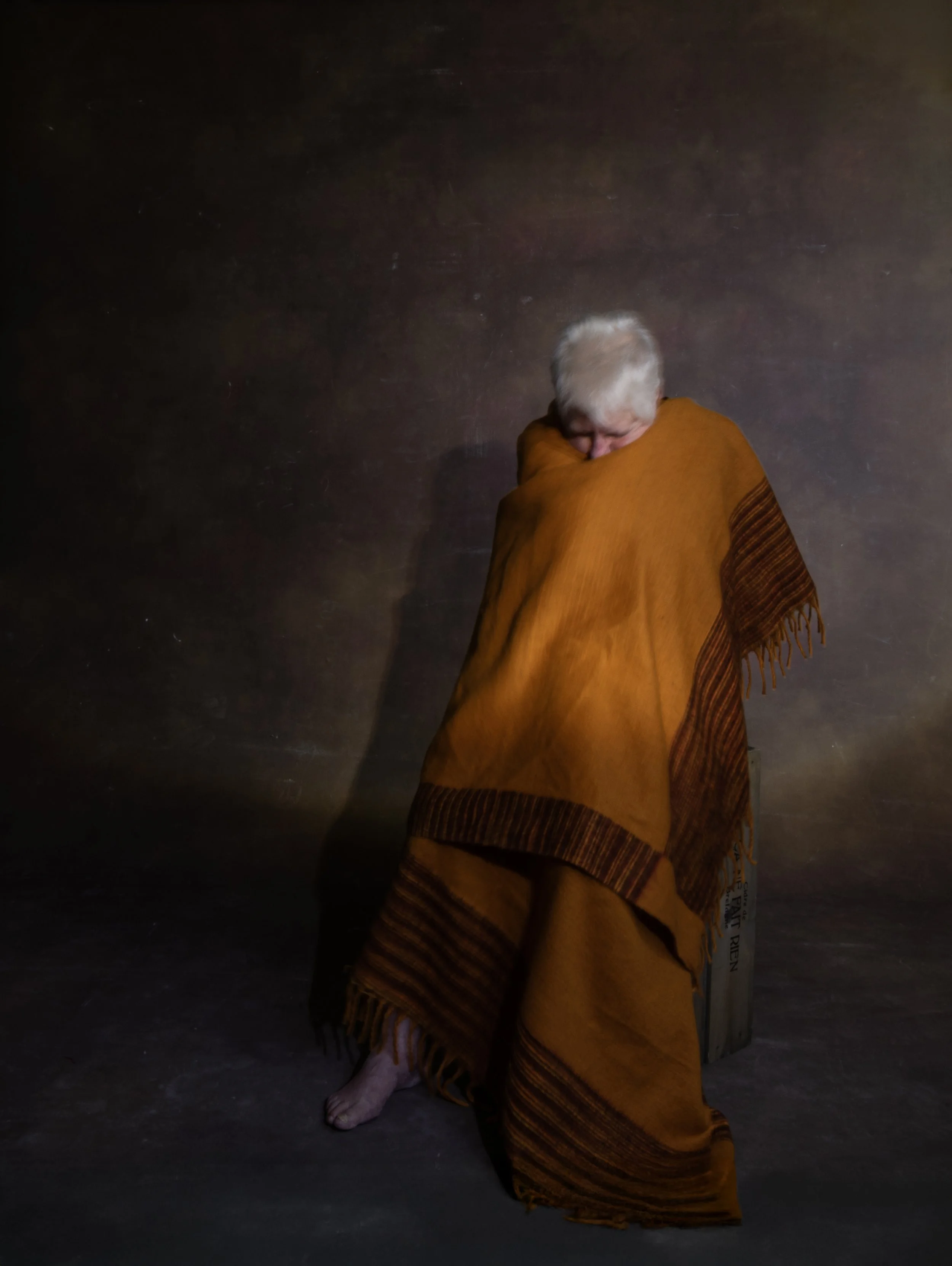
Lyndsey
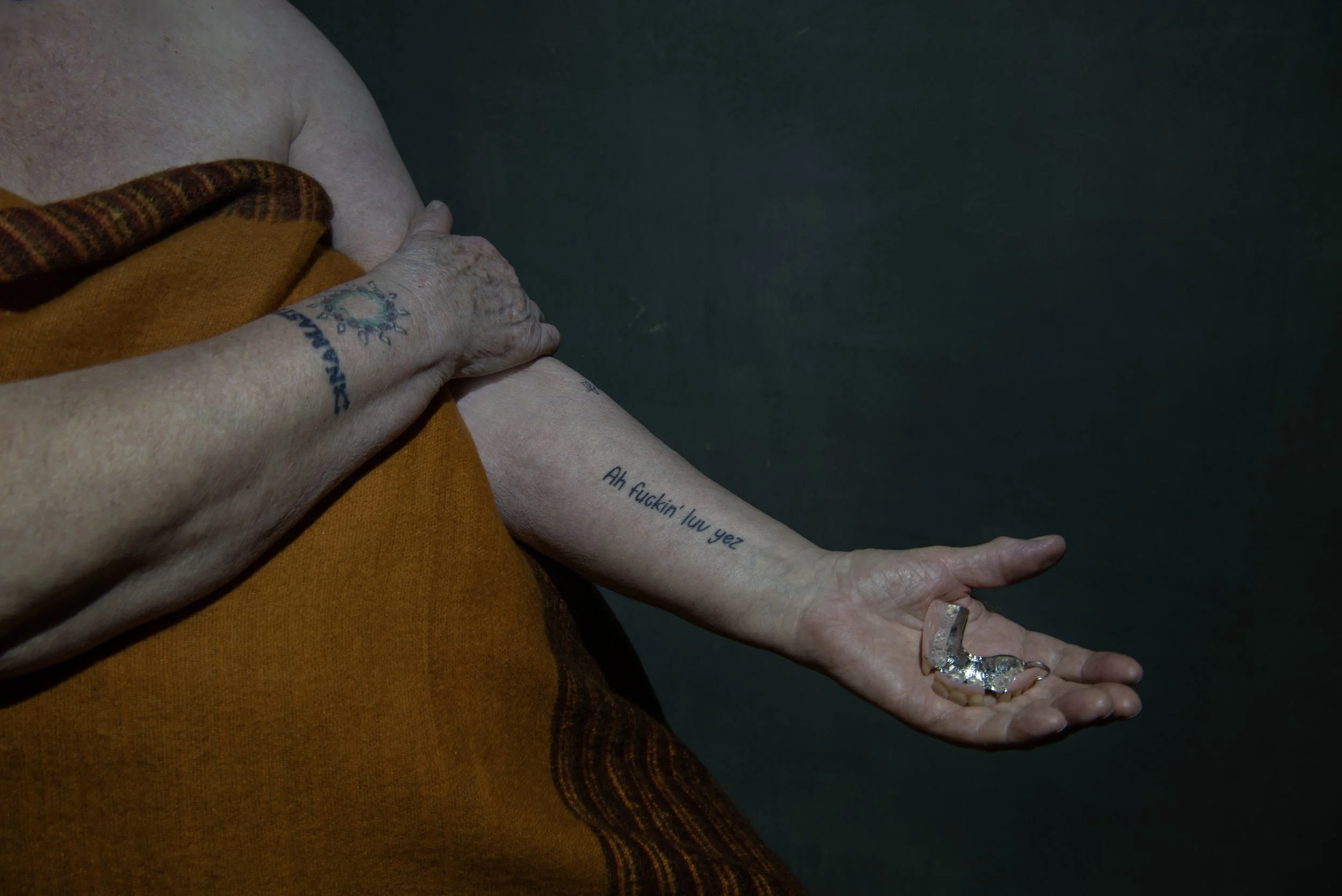
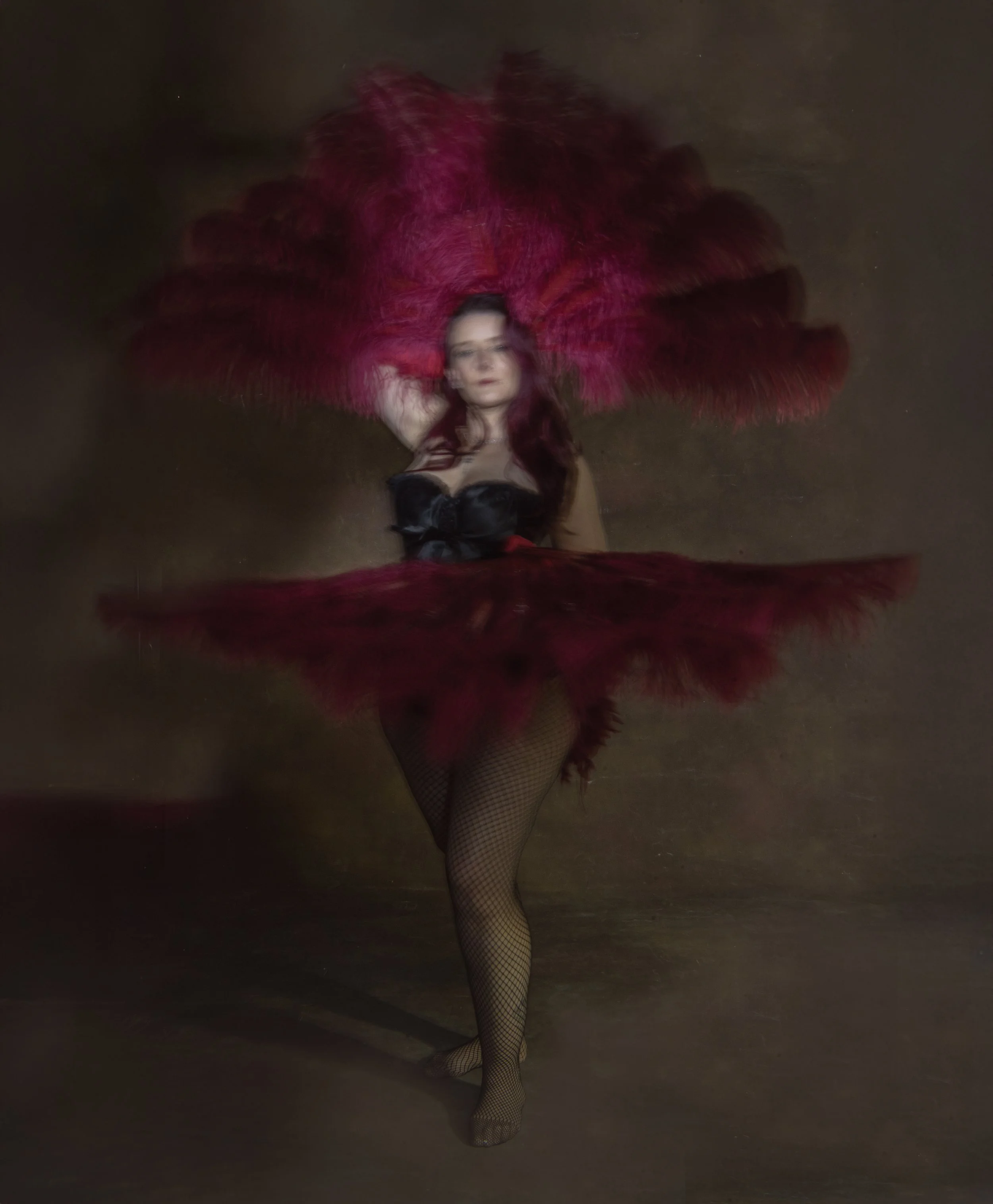
Edie
Katherine
Laura
Phoebe
Lou